- +9714 458 3111
- info@sifloorcorner.com

The Foundation of Every Successful Flooring and Coating
February 17, 2026
Surface Preparation for Different Applications
Surface preparation varies depending on the project type. For example, epoxy flooring requires deep grinding and moisture testing. However, wall painting may only need sanding and priming.
Similarly, industrial facilities demand heavy-duty preparation methods. Meanwhile, residential projects often require lighter processes.
Conclusion
In conclusion, surface preparation determines the success of any construction or renovation project. Because it improves adhesion, durability, and safety, professionals never ignore this step. Ultimately, investing time in proper preparation ensures long-lasting results and better performance.
Introduction to Surface Preparation
Surface preparation plays a critical role in construction and renovation projects. Without proper preparation, even high-quality materials can fail quickly. Therefore, professionals always begin with detailed inspection and cleaning. In fact, strong adhesion depends entirely on how well the base surface is prepared.
Moreover, It ensures durability and long-term performance. If the surface contains dust, grease, cracks, or moisture, coatings will not bond correctly. As a result, peeling, cracking, and bubbling may appear within a short time.
Why Surface Preparation Is Important
- First of all, preparation improves bonding strength. When contractors remove loose particles and contaminants, materials attach securely. Consequently, flooring systems and wall coatings last longer.
- In addition, proper surface preparation reduces maintenance costs. Because the base layer remains stable, repairs become less frequent. On the other hand, skipping preparation often leads to expensive rework.
- Most importantly, safety improves when experts follow correct preparation techniques. Smooth and level surfaces reduce hazards such as uneven flooring or coating failures.
Key Steps in Surface Preparation
1. Cleaning the Surface
Initially, professionals remove dirt, oil, and debris. They use industrial vacuums or pressure washing depending on the surface type. After that, they allow the area to dry completely before moving forward.
2. Repairing Imperfections
Next, technicians inspect cracks and holes carefully. If damage exists, they apply fillers and leveling compounds. As a result, the surface becomes even and stable.
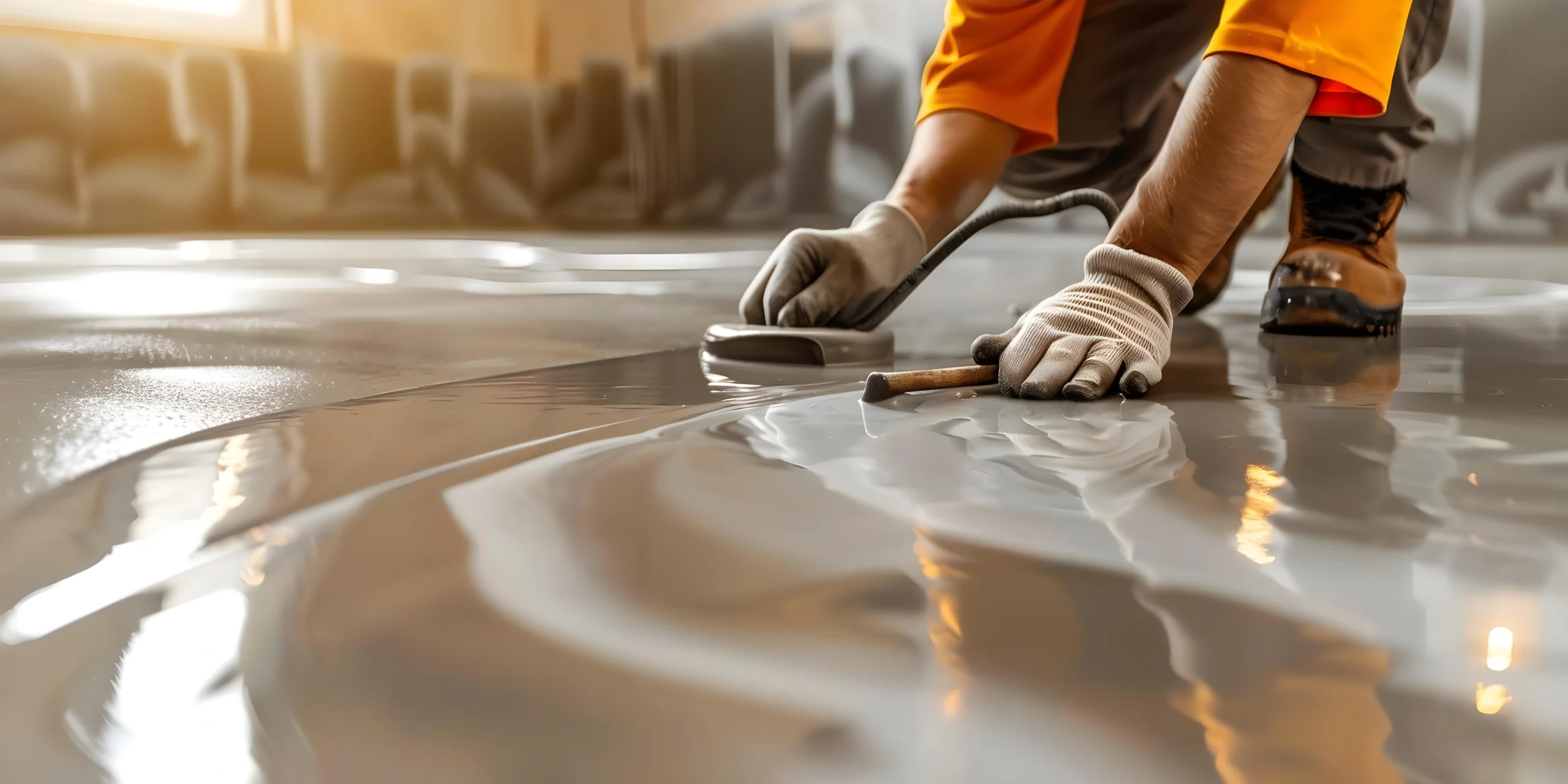
3. Grinding and Profiling
Mechanical grinding improves texture and adhesion. Therefore, contractors often use diamond grinders for concrete floors. This process creates the correct surface profile for coatings.
4. Final Inspection
Finally, experts check moisture levels and smoothness. Only after approval do they proceed with coating or flooring installation.
Share This :